ADUs in Berkeley and the Bay Area:
How New Laws Are Opening Doors for Homeowners and Buyers
Have you heard that ADUs are getting easier to build in Berkeley and across the Bay Area? You might be wondering — what does this actually mean for me, as a current homeowner or someone looking to buy?
The short answer: a lot. And in all the best ways.
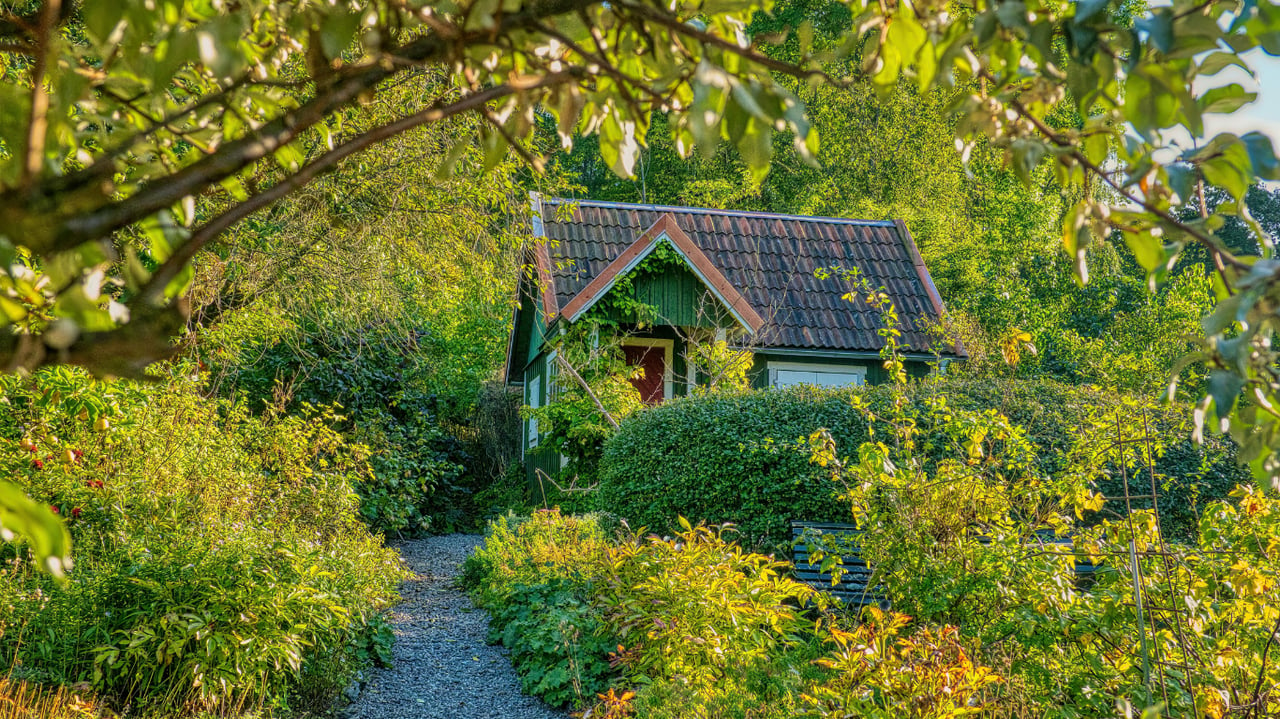
ADU stands for Accessory Dwelling Unit — you may also know them as in-law units, backyard cottages, or granny flats. These are additional living spaces on a single residential property, and thanks to a wave of new California state laws and Berkeley-specific zoning changes, they have never been more accessible to build, permit, or benefit from.
Let me walk you through what's changed, and more importantly, why this matters to you.
What's Changed: California and Berkeley Are Making It Easier
For years, building an ADU in Berkeley meant navigating a maze of regulations, long permit timelines, fees, and red tape that made many homeowners give up before they started. That's genuinely changed.
At the state level, California has passed a series of laws specifically designed to remove those barriers. A few highlights:
Faster approvals. Cities are now required to approve or deny ADU applications within 60 days. No more open-ended waiting — this streamlined process was specifically designed to encourage homeowners to move forward.
Fewer fees. ADUs under 750 square feet are exempt from local impact fees — a meaningful cost savings that makes smaller ADU projects significantly more financially viable.
No owner-occupancy requirement. California law now prohibits local agencies from requiring you to live on the property in order to build or rent out an ADU — opening the door for investors and non-resident owners alike.
Pre-approved plans. Berkeley has a gallery of ADU designs that have already been pre-approved by the City, which can provide a faster and less expensive path to permit approval. If you work from a pre-approved design, you're shortcutting a significant chunk of the process.
Parking requirements? Largely gone. Many ADUs now qualify for exemption from parking requirements — including those close to public transit or integrated with the primary residence. In a city like Berkeley, that alone removes a major obstacle.
Berkeley's Middle Housing Zoning: A Bigger Picture Shift
Beyond ADUs, Berkeley has introduced Middle Housing zoning changes that go even further. These changes allow for duplexes, triplexes, fourplexes, courtyard apartments, and other small-scale multi-family housing types on single lots — particularly in high-resource neighborhoods close to jobs, public transit, quality schools, parks, and neighborhood commercial activity.
What this means in practice: a single-family home lot may now have more possibilities than it ever has before. You could potentially remodel an existing home to add new units, or build small-scale multi-family housing on a lot that once only allowed a single residence.
And Then There's SB 9
Another law worth knowing about is California Senate Bill 9, which allows homeowners in single-family residential zones to split their lot into two parcels and build up to two units on each. It hasn't been widely utilized yet, but the potential it unlocks is significant. If you're a homeowner thinking long-term about your property's value and flexibility — this is worth keeping on your radar.
For Current Homeowners: You May Be Sitting on Untapped Value
If you already own a home in Berkeley or the greater Bay Area, this moment is worth pausing on. The combination of new laws, streamlined permitting, and reduced fees means that building an ADU may now be a realistic and financially smart move.
Think about what rental income from an ADU could do for your mortgage. Or how having an additional unit gives you flexibility — a space for aging parents, a grown child returning home, a long-term renter helping offset your costs. In uncertain economic times, that kind of leverage is genuinely powerful.
Speaking from my experience working with homeowners here for over 20 years: properties that were once considered "just a single-family home" now have a whole new layer of potential. I've seen how much value — financially and in terms of lifestyle — an additional unit can bring.
For Buyers: Look at Every Property With a Forward-Facing Lens
This is where I really want to open your perspective if you're currently looking to buy.
When you walk through a home, you're not just evaluating what's there — you're evaluating what's possible. A property with a large backyard, a detached garage, or an underutilized basement isn't just a house. It may be a future ADU. A rental income stream. A space for family. A way to get into a neighborhood you love at a price point that works, knowing the property can grow with you.
Here are some scenarios worth considering as you look:
Live in one space, rent the other. Whether you live in the main house and rent the ADU, or live in the ADU and rent the main house while you renovate — both are strategies I've helped buyers think through. The rental income can make a real dent in your mortgage.
Buy a fixer at a lower price point, build the ADU. This is a powerful combination — getting into a desirable neighborhood at a lower entry price while adding a unit that immediately increases the property's value and income potential.
Buy a home that already has an ADU. Live in one while you update the other. This is one of the most practical approaches for someone who wants to move in quickly but knows the home needs work.
Think about the lot, not just the house. A property that feels a little small today might have a backyard perfectly sized for a detached ADU. I always encourage buyers to look at the land as part of the equation, especially now that the rules make building so much more accessible.
Want to see what this actually looks like in real life? This beautiful short film follows a Bay Area couple who lived for three years in a 300 square foot basement — beneath the home they'd just bought — while they built their dream backyard ADU. It's a testament to patience, vision, and what's possible when you look at a property and see its future, not just its present.
A Note on Making It Actually Happen
Once you decide an ADU is the right move, the next question is always: where do I start? As your realtor, I'm not just here for the transaction — I'm a resource and connector. Over the years I've built relationships with trusted architects, contractors, and other professionals who specialize in exactly this kind of work in Berkeley and the Bay Area. I can point you in the right direction and help you ask the right questions, even if the building and legal decisions are ultimately yours to make with your own team.
A Final Thought
Berkeley has always been a place that values creative living, community, and making the most of what we have. The new ADU and Middle Housing laws feel very much in that spirit — giving homeowners and buyers more ways to make a property truly work for their lives and their financial goals.
If you're curious whether a home you're considering has ADU potential, or if you're a homeowner wondering whether now is the right time to explore building one, I'd love to talk it through with you. This is exactly the kind of forward-thinking conversation I enjoy most.
Reach out — let's see what's possible.
Viviana Lahrs is a Berkeley-based realtor with 20+ years of combined experience in real estate and architecture. She specializes in helping buyers and sellers in the Bay Area see the full potential in every property.